
New Economy for the 21st Century
Today, being at the forefront of prosperity thinking carries a different meaning than it did a decade ago. New threats have emerged. There are significant questions about the fitness of national and international governance systems for managing conflicts of interests, cultures and beliefs. There are clear crises surrounding the legitimacy of governments, and deep anxiety about corporate commitment to societal wellbeing. Social inequalities are rising, while climate shifts are disrupting our ecosystem. These shifts demand a renewed strategic direction.
How can we develop pathways and support livelihoods that deliver future prosperity for all? What new social, economic and political institutions are needed for our changing societies?
What we do
A new 21st century economy requires innovative social, economic, and political institutions that can drive equitable, sustainable prosperity and support the long-term wellbeing of people and places. This includes whole-system economic approaches, reimagined social protection, and the development of an economy of belonging centred on quality of life. It also involves transforming financial inclusion so that financial practices reflect community priorities and enable people to lead the lives they value.
At the IGP, we bring together citizen-led research, academic research, and collaborative, multi-stakeholder partnerships with communities, government, businesses, and researchers, to develop new forms of knowledge and new ways of working that bring transformational change. We help decision makers co-design policies that serve both people and the planet.
Our Projects
-
Through our Rebuilding Macroeconomics network, including economists Dennis J. Snower and William Hynes, we’re aiming to transform macroeconomics into a social science more relevant for addressing today’s major economic challenges. We ask fundamental questions about macroeconomics and uncertainty in the ‘real world’.
-
We developed the idea of Universal Basic Services to enable every citizen to live a larger life by ensuring access to safety, opportunity, and enhanced democratic participation. We are now connecting local service providers and testing on the ground the delivery of basic services.
-
Our researchers and their networks are addressing the problem of financial debt and exploring alternatives to debt economies for a more inclusive and sustainable economy.
-
MERGE is a Horizon Europe funded Coordination and Support Action (CSA) project with the aim to find pathways towards inclusive and sustainable wellbeing. MERGE consists of 16 partners.
-
The Asia Prosperity Research Hub explores what prosperity means and entails in Asia, contributing to our rethinking around the concept of prosperity for the 21st century.
Featured
Connecting Communities
Report
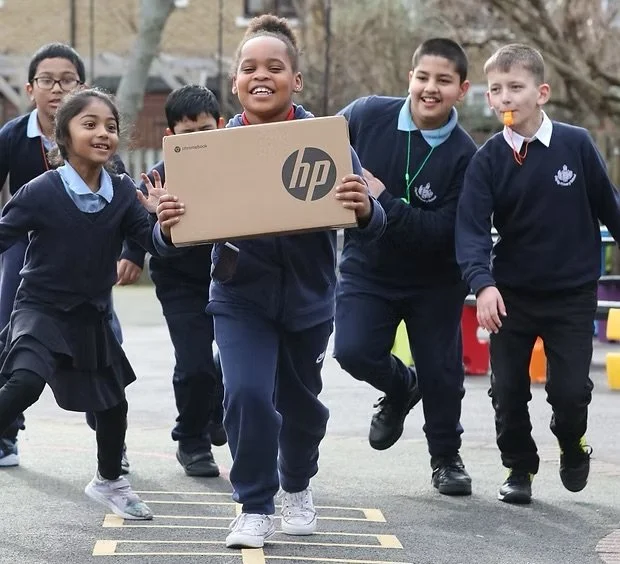
This project aimed to improve digital inclusion in the London Borough of Tower Hamlets through a digital UBS pilot.
We need societal therapy to overcome our addiction to GDP
Blog
In this blog Prof Costanza argues we can learn from addiction therapy at the individual level to find new ways to overcome our harmful societal addictions before it is too late.
What cash can tell us about Palestine’s fragmented geography
Blog
Why does Gaza have so few bank notes, such that people are desperately trying to keep them in circulation, while at the same time policy makers in the West Bank are trying to get rid of cash?
To build a better world, stop chasing economic growth
Comment
The year 2024 must be a turning point for shifting policies away from gross domestic product and towards sustainable well-being. Here’s why and how according to Prof Bob Costanza.
The importance of social investment for UK economic strategy
Report
Read this report co-authored by Prof Henreitta Moore for the British Academy on how social, environmental, health and wellbeing, are crucial for economic growth.