
Life-sustaining systems
Prosperity relies on healthy ecosystems, a stable climate and resilient relationships between people and nature, yet we face interconnected crises of climate change, biodiversity loss, and social inequality.
What we do
Our work examines these life-sustaining systems and the transformations needed to protect them – regenerating soils, waterways, food systems and biodiversity through approaches such as natural capital accounting and nature-based solutions that prioritise wellbeing over growth.
Our key research directions focus on understanding the complex interdependences between ecological, economic and social systems, and identifying the actions needed to reverse environmental degradation across diverse geographies. Through global collaboration and participatory, place-based research, we design regenerative solutions that strengthen livelihoods, integrate local knowledge and build long-term socio-ecological resilience.
Our Projects
-
This collaborative project with the UCL Development Planning Unit and Stockholm based Karolinska Institute and the Royal Institute of Technology (KI-KTH) investigates the role of urban food systems and governance and nature-based solutions towards just transitions. The team will also develop policy recommendations that can be scaled up for city-wide decision-makers and a wider EU research proposal.
-
While past studies have explored the critical role of public administration at different levels in Disaster Risk Reduction and Management (DRRM), gaps remain in understanding how decision-making can be more inclusive and multi-dimensional, ensuring that the specific needs of vulnerable individuals are included in technical and managerial considerations.
Our short-term aim for this project is to identify key challenges, partners and case study areas for improving equitable and inclusive DRRM at sub-national levels, which will inform a future comprehensive DRRM framework and modelling tool with a strong tie to equity and inclusion.
-
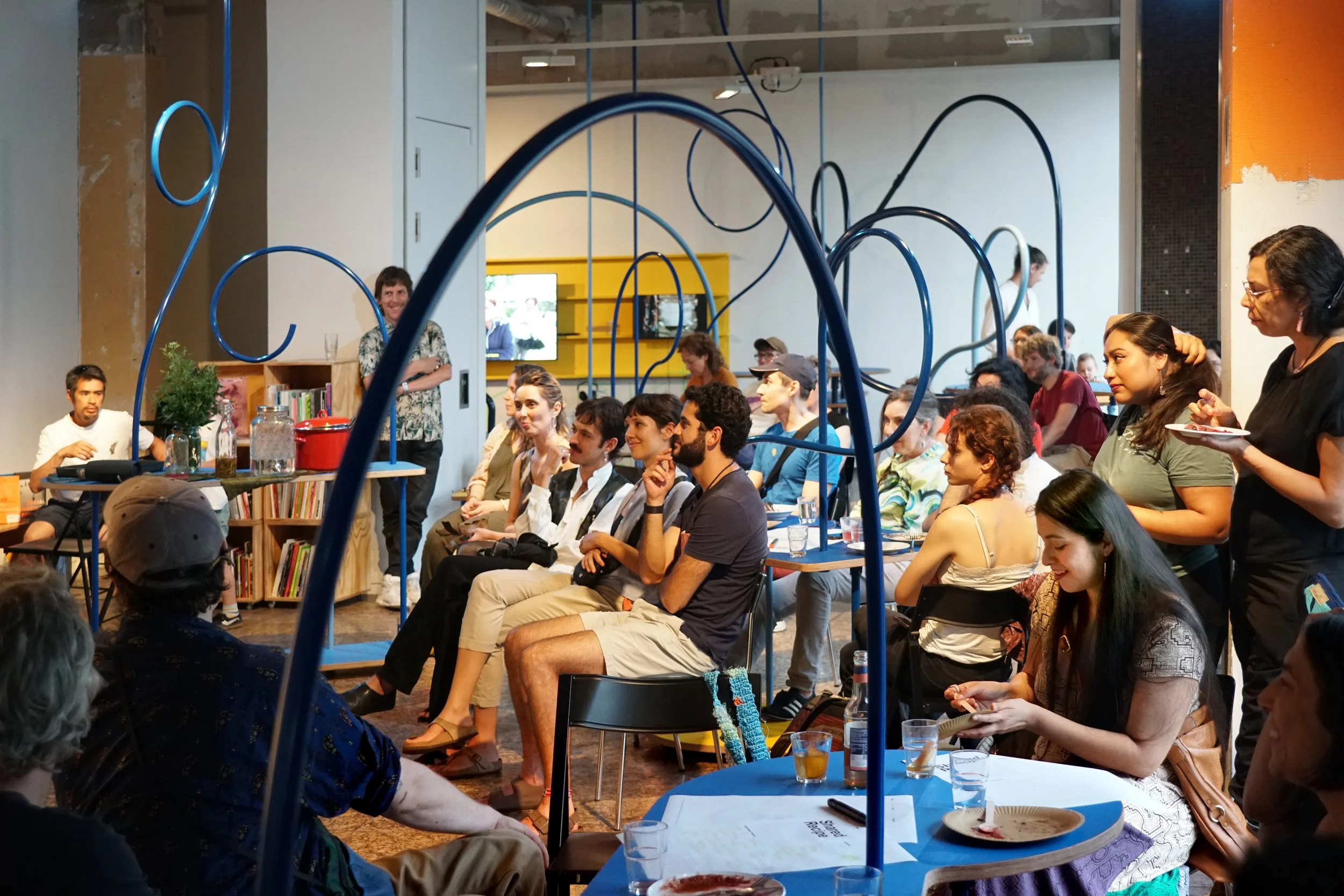
In collaboration with the London Museum, Nourish Scotland, and the Royal Botanic Garden Edinburgh, this project addresses three key challenges: ethnic disparities in food insecurity, the need for affordable and healthy food models, and the lack of climate-adapted crops. Through community co-production and interdisciplinary research, the project explores how migrant culinary practices—such as communal cooking, sustainable ingredients, and crop adaptation—can inform innovative food policies and practices.
-
PIPFA aims to develop models for designing new food systems in ways that empower smallholder livelihoods and regenerate local ecologies.
Publications
Farmer Led Regenerative Agriculture for Africa
Report
Regenerative Agriculture offers the potential to create a new farming future for Africa. In this report we call for a replicable and scalable process for farmers to design and produce Regenerative Agriculture on their own terms with communities and policymakers across ecosystems.
Food in the UK: Addressing Food Insecurity in the 21st Century
Working paper
This working paper examines how UBS, with food as a central pillar, can address the root causes of the broader livelihood crisis by fostering a citizen-led, rather than profit-driven, food system.